
Wireless technology has transformed the modern workplace. Employees move seamlessly throughout offices with laptops and mobile devices, conference rooms connect instantly to cloud collaboration platforms, and smart devices are now found in virtually every business environment.
With the growing popularity of wireless networking, some business owners wonder whether structured cabling is still necessary. If everything is wireless, why invest in network cabling?
The reality is that wireless technology has not replaced structured cabling; it has made it more important than ever.
Wireless Networks Still Require a Wired Foundation
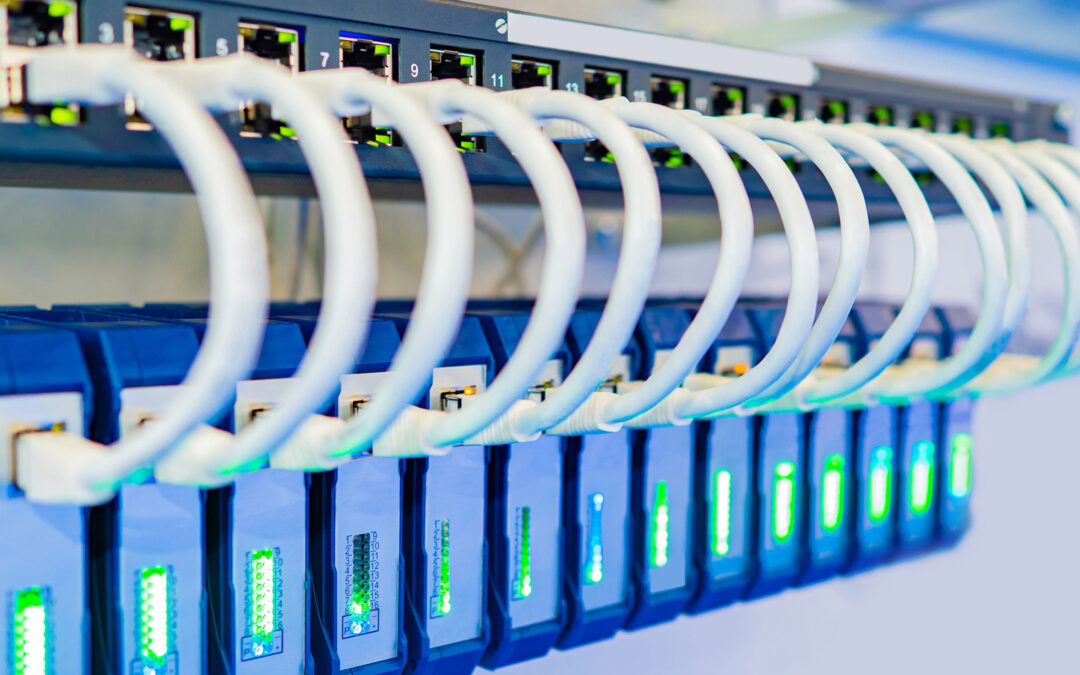
Every wireless network depends on a wired infrastructure behind the scenes. Wireless access points must connect to network switches. Security cameras, access control systems, servers, VoIP phone systems, and internet connections all rely on structured cabling to function efficiently. Even cloud-based applications ultimately depend on physical network infrastructure within your building.
In fact, the faster wireless technology becomes, the greater the demands placed on the underlying cabling system.
Today’s Wi-Fi 6 and Wi-Fi 6E networks are capable of supporting significantly higher speeds and larger numbers of connected devices than previous generations. Many modern Wi-Fi 6 and Wi-Fi 6E deployments also require properly installed Cat6 or Cat6A cabling to support multi-gigabit speeds and higher Power over Ethernet (PoE) requirements for wireless access points. Without the appropriate cabling infrastructure in place, businesses may not realize the full performance benefits of their wireless investment.
Without properly designed cabling infrastructure, businesses may experience performance bottlenecks that limit the benefits of newer wireless technologies.
More Devices Than Ever Are Connected
A decade ago, a typical office network might have supported desktop computers, printers, and telephones. Today, businesses often manage dozens or even hundreds of connected devices.
These devices may include:
- Wireless access points
- IP security cameras
- VoIP phone systems
- Conference room technology
- Smart building controls
- Digital signage
- Access control systems
- Networked printers and scanners
- Internet of Things (IoT) devices
Each of these technologies requires reliable connectivity. Structured cabling creates an organized, scalable framework that allows all these systems to operate efficiently while reducing network bottlenecks and troubleshooting challenges.
At BCS Voice & Data Solutions, we frequently encounter businesses that have expanded their technology over time by adding cameras, wireless access points, and other connected devices without a long-term cabling strategy. While these additions may solve immediate needs, they can eventually create network congestion, overcrowded network closets, disorganized cable pathways, and increased troubleshooting challenges. A properly designed cabling system helps create a clean, organized infrastructure that supports future growth.
Reliability Matters
While wireless technology offers convenience, it cannot always match the reliability of a wired connection. Factors such as building materials, interference from neighboring networks, device density, and signal congestion can affect wireless performance. For critical systems, wired connections often remain the preferred choice.
Servers, network switches, storage systems, security infrastructure, and many business-critical applications depend on stable, high-performance connections that structured cabling provides. A properly designed cabling system helps ensure consistent performance and minimizes downtime, which is essential for organizations that rely heavily on technology to serve customers and support daily operations.
Structured Cabling Supports Business Growth
One of the greatest advantages of structured cabling is scalability.
As organizations grow, technology requirements change. New employees, expanded office space, additional access points, upgraded security systems, and increased bandwidth demands all place greater strain on network infrastructure. A professionally installed structured cabling system allows businesses to expand without constantly redesigning their network. Rather than installing temporary fixes or adding disorganized cable runs over time, organizations benefit from a standardized infrastructure designed to accommodate future needs. This approach reduces long-term costs and simplifies maintenance.
Another common challenge we see is organizations upgrading their network equipment while still relying on older cabling infrastructure. In many cases, newer switches, wireless access points, and internet services are capable of delivering significantly higher performance, but aging cabling can become the bottleneck. Evaluating the cabling infrastructure as part of any technology upgrade helps ensure businesses receive the full benefit of their investment.
Fiber Optics Are Driving the Next Generation of Connectivity
Modern businesses are also increasingly deploying fiber optic cabling alongside traditional copper infrastructure.
Fiber provides exceptional speed, bandwidth, and reliability for connecting server rooms, multiple floors, separate buildings, and high-demand applications. As cloud services, video conferencing, AI-powered applications, and data-intensive workloads continue to grow, fiber has become an essential component of many business networks.
Organizations planning for future expansion should consider how fiber and high-performance copper cabling can work together to support long-term technology goals.
Don’t Overlook the Backbone of Your TechnologyM
While wireless technology often gets the attention, structured cabling remains the backbone of virtually every modern business network. It supports wireless access points, powers communications systems, connects security devices, and provides the foundation for reliable business operations.
At BCS Voice & Data Solutions, we have helped businesses throughout Hampton Roads design and install structured cabling systems for more than 40 years. From Cat6 and Cat6A installations to fiber optic cabling and complete network infrastructure design, our team delivers solutions built for today’s technology demands and tomorrow’s growth. Whether you’re constructing a new facility, renovating an office, or upgrading your network, investing in structured cabling today helps ensure your technology remains fast, reliable, and ready for the future.
